
Hello, and welcome back to Bio On The Rocks. I have now been in Svalbard for over two months, and my first course at UNIS, “Arctic Environmental Management”, is coming to an end. One element of the assessment for this course is to work in groups on an environmentally relevant topic in Svalbard, conduct interviews with management and business professionals, and prepare a case study presentation. Knowing that many tourist offerings on the island are related to sled dogs and having a personal connection to dog sledding, I chose this topic.
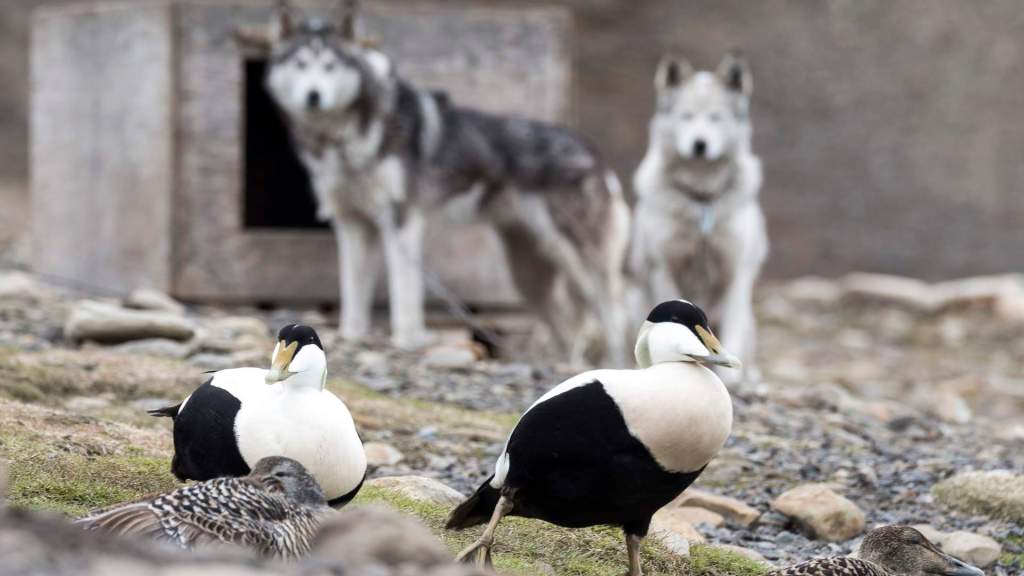
Given the numerous bird colonies and reindeer in Svalbard, which could be disturbed by the sled dogs, I saw great potential for a case study from the outset. Soon, I found two fellow students with similar interests. Together, we conducted numerous interviews with the local management (Sysselmesteren), the Norwegian Food Safety Authority (Mattilsynet), the veterinarians residing here, the Veterinary Institute on the mainland, and a local. But before I share our exciting discoveries, I want to introduce the topic of sled dogs and their use as a means of transport.
The history of sled dogs is deeply rooted in the human civilisation of the Arctic and sub-Arctic regions. They descend from the first domesticated dogs and have their origins in the Nordic countries, although their exact origin remains unclear. Genetic studies show that the lineage of sled dogs branched off from wolves about 10,000 years ago. These dogs were selectively bred to pull heavy loads across ice and snow and withstand extreme weather conditions.
The Inuit and other Arctic cultures developed sledges (Qamutiik) and formed dog teams to transport food, goods, and people across great distances. Sled dogs were essential for hunting, trading, and exploring these areas, as they provided efficient means of movement across the ice.

Sled dogs played a vital role in numerous polar explorations. The Norwegian polar explorer Roald Amundsen, known for leading the first successful expedition to the South Pole in 1911, used sled dogs as the primary means of transport. Amundsen deliberately drew on the experience and traditions of the Inuit. He was aware that the dogs were faster and more enduring than other means of transport under polar conditions and could feed on the environment’s resources by hunting seals for them. Helmer Hanssen, another member of the expedition, played a crucial role as a dog sled driver. His expertise in handling sled dogs and his knowledge of polar conditions were one of the main reasons for the expedition’s success.
Sled dogs first reached Antarctica in 1899 when 75 were brought ashore at Cape Adare in the Ross Sea area by the ship “Southern Cross” of the British Antarctic Expedition. Following Amundsen’s success in 1911, they were extensively used. Despite their slower speed compared to vehicles, they were considered safer because they were not as heavy and could pull sledges before reliable mechanised transport was available in Antarctica. This arrived much later than in the rest of the world due to the cold and rugged terrain.
Dogs were exchanged between different bases in Antarctica to maintain genetic diversity. However, breeding records were essential to prevent hereditary diseases in the dogs.
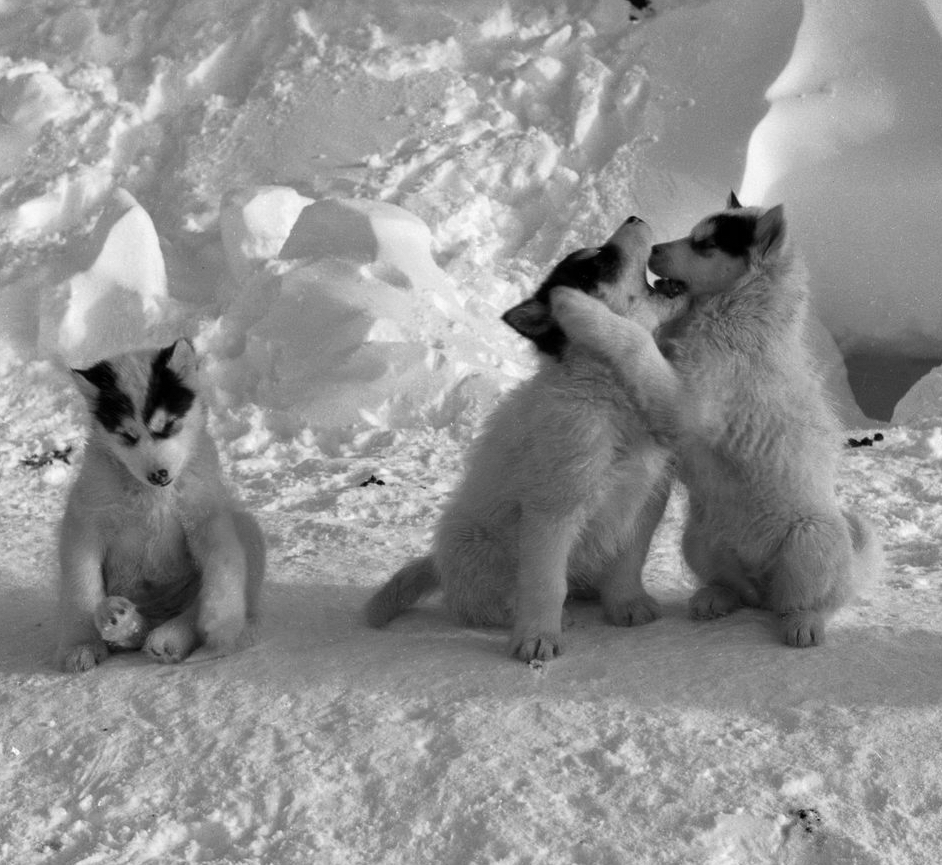
In 1994, the use of sled dogs in Antarctica ended. The trigger was the “Protocol on Environmental Protection to the Antarctic Treaty”, signed on 4 October 1991. It designates Antarctica as a “natural reserve, devoted to peace and science” (Article 2). This measure was taken mainly for environmental protection reasons and aimed to prevent the introduction of non-native species. There were concerns that sled dogs could transmit diseases that might threaten indigenous species or that they could interact with and disturb the wildlife of Antarctica. This issue was first raised in 1990 when it was noticed that more than half of the North Sea seal population had been wiped out by a mysterious epidemic. It was suspected that this epidemic was somehow linked to the canine distemper virus. Another concern was that too many seals had to be hunted to feed the dogs, threatening the ecological balance. Moreover, the development of more reliable and powerful snowmobiles made the practical need for sled dogs redundant. The end of their use marked the end of an era in the history of Antarctic exploration. Although modern technology has taken over many of their functions, the legacy of sled dogs as brave companions of the early polar explorers remains unforgettable.
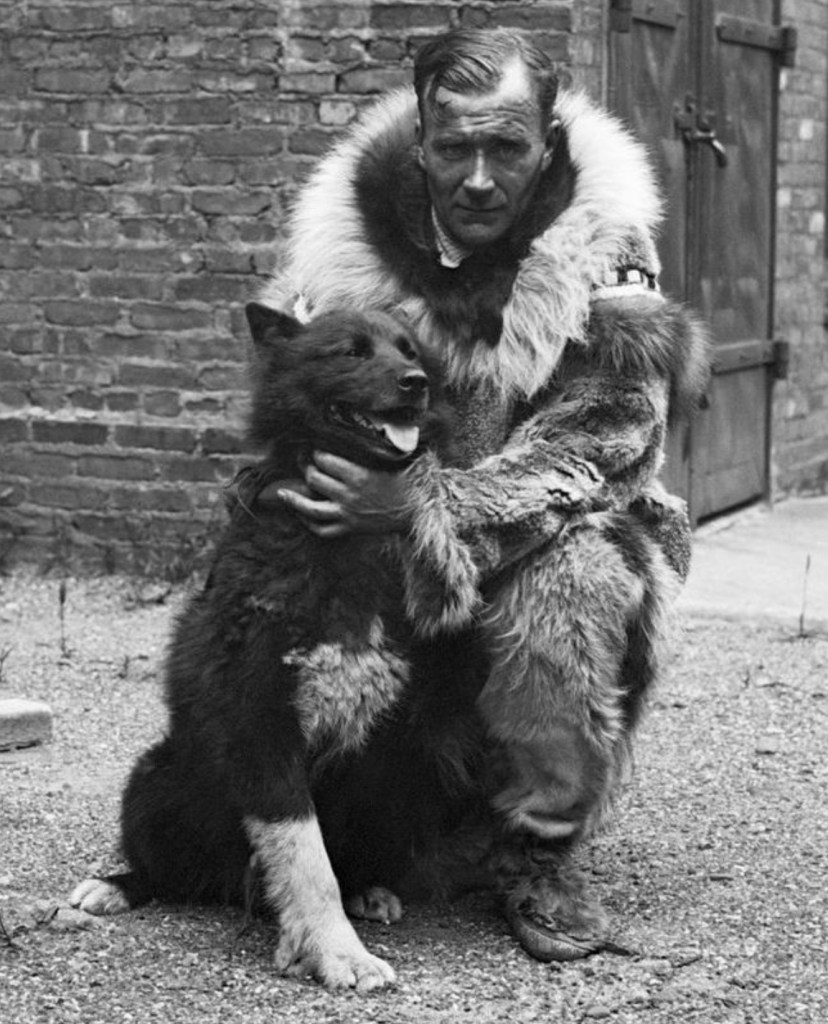
In a different context, a special sled dog named Balto made history in 1925 when he and many other dogs played a crucial role in combating an epidemic in North America. In the winter of that year, a diphtheria epidemic broke out in Nome, Alaska. Due to the extreme cold and the town’s isolated location, the life-saving antitoxin could only be delivered by dog sled. More than 20 mushers and about 150 dogs completed a relay race over 1,085 kilometres through the icy wilderness in 5 days and 7 hours to deliver the serum. Balto and his musher Gunnar Kaasen played a crucial role in the final leg of the race.
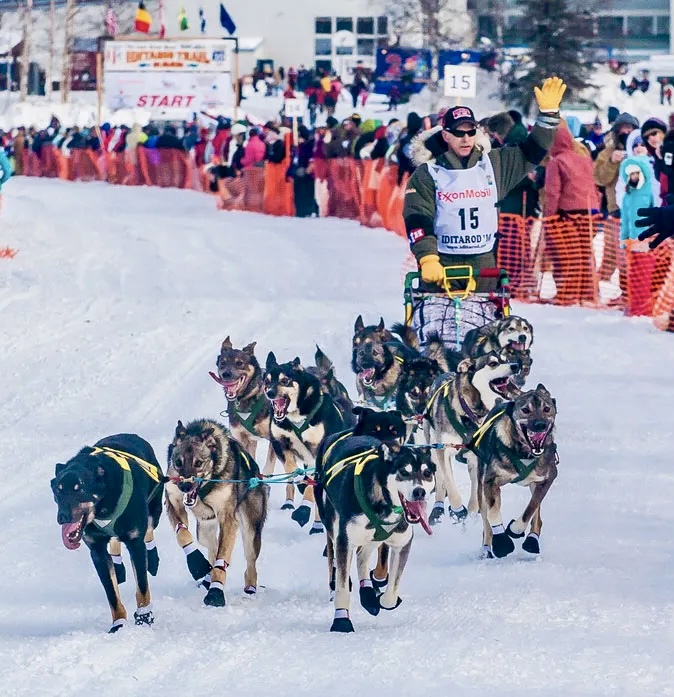
Today, sled dogs are primarily used in sporting competitions such as the famous Iditarod Trail Sled Dog Race in Alaska. Even though modern transport methods have reduced the need for sled dogs for many of their traditional tasks, they remain a cultural symbol of human adaptability and survival under extreme conditions. Additionally, efforts are made to preserve the heritage and traditional ways of life of sled dogs, as well as their significance to indigenous cultures.
The history of sled dogs in Svalbard is closely linked to the exploration and settlement of this Arctic region. Svalbard has long been a central target for whalers, explorers, and later mining companies. The exact circumstances and precise date of the first arrival of sled dogs in Svalbard are not well documented, but it is known that they have been present on the islands since the late 19th and early 20th centuries.
Sled dogs were brought to Svalbard for the same logistical reasons as other parts of the world: they supported transport in the rough and often inaccessible Arctic landscape. They were also helpful in hunting reindeer and polar bears. Today, there are probably more sled dogs in Svalbard than ever before, although their role has changed due to the development of modern technologies. They have become a popular attraction for tourists wishing to explore Svalbard’s “wild and untouched” nature in a traditional manner and are among the main activities for visitors to the island. Some locals preserve dog sledding traditions and use them for private trips into nature.
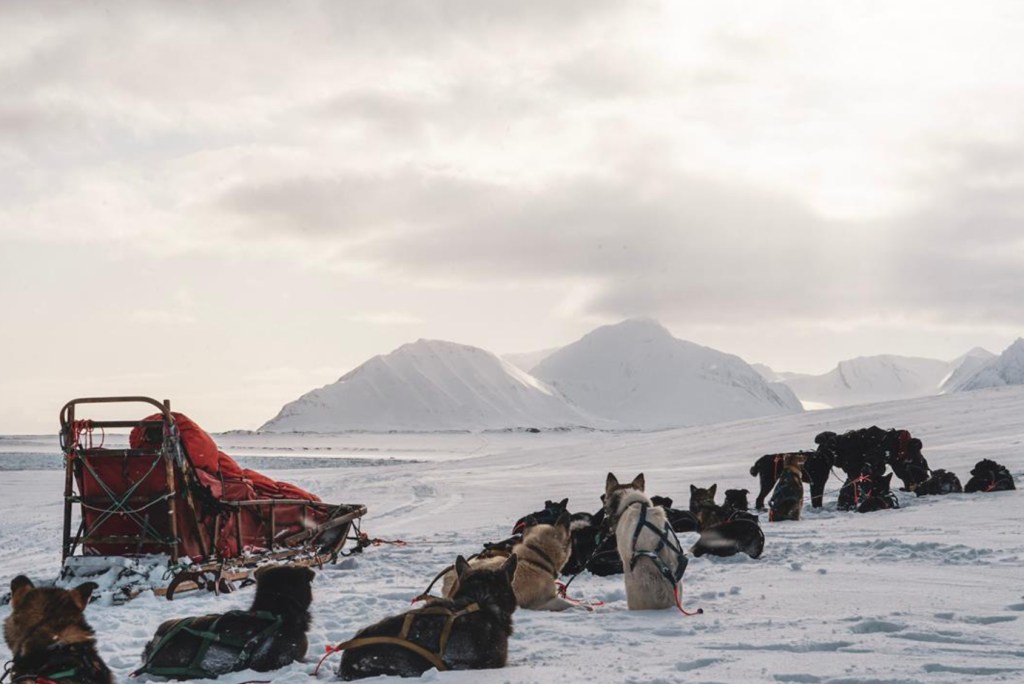
While preparing our case study on the impact of sled dog activities on the environment of Svalbard, we encountered some aspects we had not considered before. Initially, I assumed that the dogs could be a significant disturbance to other animals on the island. However, this cannot be confirmed for some species and is difficult to ascertain for others. The reindeer in Svalbard prove to be particularly resilient and are accustomed to human activities, especially those groups living near Longyearbyen. We speculated that reindeer might be frightened by the dogs, and their behaviour could change. Yet, according to a local who regularly undertakes private trips with sled dogs, this is not the case. On the contrary, when he approaches a group of reindeer with his dogs, he always slows down and observes their behaviour before continuing. Often, the reindeer quickly realise that the dogs pose no threat and even approach them. Thus, we can rule out a significant disturbance of the reindeer by the dogs.
Determining how much sled dogs disturb birds in Svalbard is challenging. Many factors and environmental changes currently affect the bird populations in Svalbard, so the impact of dog sledding on birds cannot be clearly identified. There are bird protection areas in Svalbard that should not be entered during the primary breeding season. Moreover, the majority of sled dog activities are concentrated in the same region, and the mushers usually do not leave the usual paths with the tourists. In general, well-trained dogs in the team are mainly interested in their work, running, and being part of the pack. What happens outside, whether there are birds or reindeer, interests them little, as we also learned from the local Alexander.
However, it has turned out that other factors associated with dog sledding can pose a far greater threat to Svalbard’s environment, flora, and fauna. Again, I would like to point out the Madrid Protocol of 1991, but a comprehensive discussion would definitely exceed the scope here. Therefore, I have decided to divide the extensive topic of sled dogs.
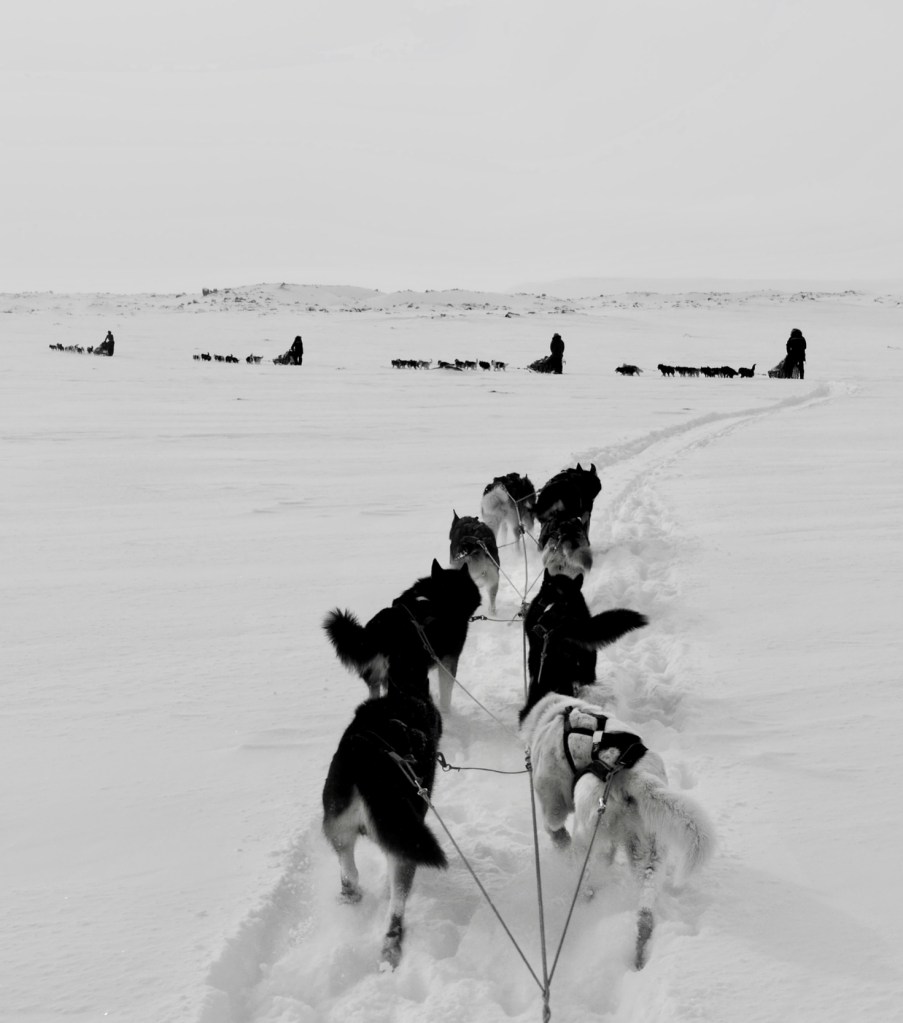
In the next part, I will discuss the potential risks that dog sledding activities can pose to Svalbard in detail. I will address issues such as rabid reindeer, the seemingly greener grass on the other side, lost dog booties, mice travelling in the hay, virus mutants, and much more.
Despite the numerous potential negative impacts, I still believe in the legitimacy of dog sledding activities. That’s why I also want to talk about my own experiences, which I gathered during my one-month sled dog expedition in Northern Norway in 2015.
So, stay tuned and see you next time!
 Bio On The Rocks
nices!! [German] “Geschichten eines Expeditionsschlafsacks”
LikeLike