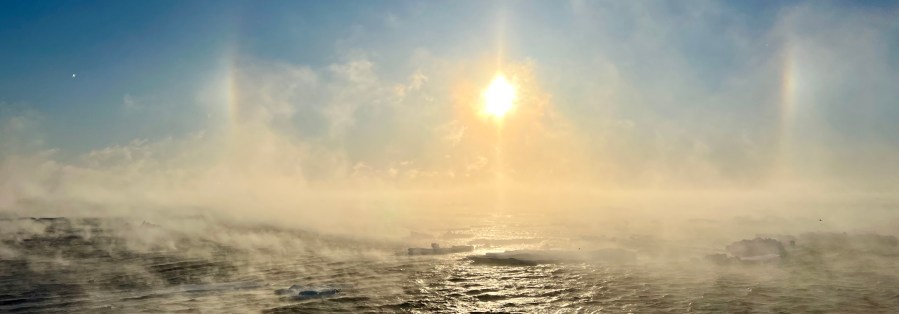
Hi, and welcome back to Bio On The Rocks. I have returned from my first scientific cruise. The four lab days following our expedition to fully analyse our samples are done, and even the data has been entered and posted online. Now, all that’s left is to write the report. It’s the perfect time to share my experiences from the Arctic Ocean with you.
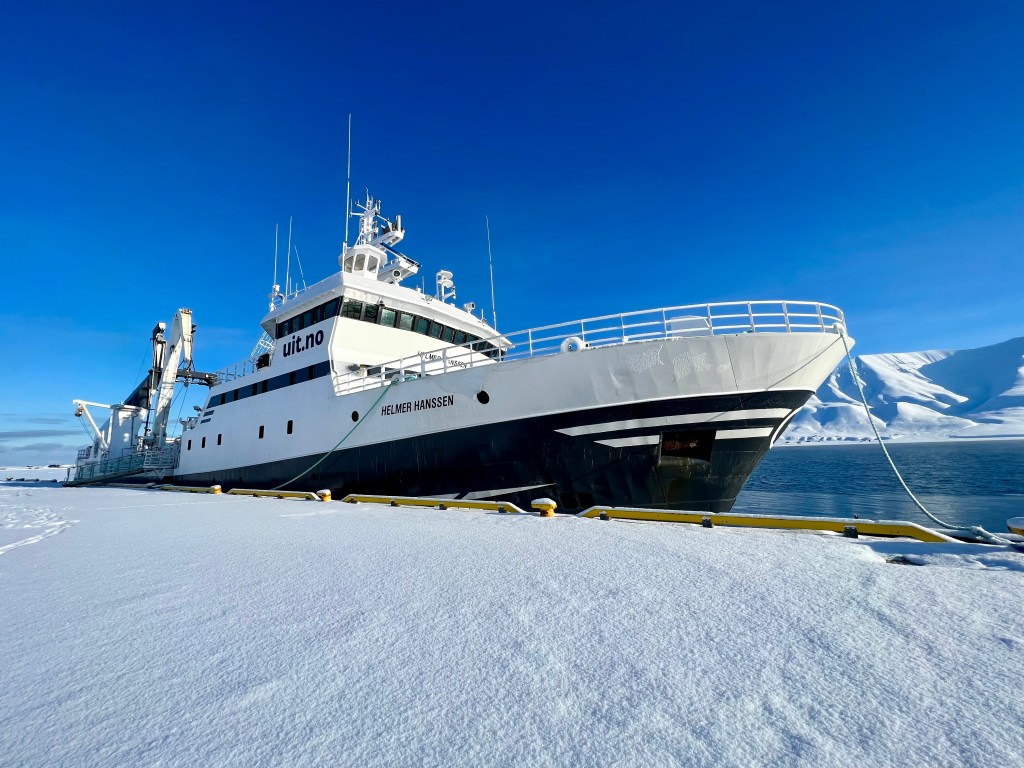
We set off early on Wednesday, April 10th, gathering at the university first to transport the remaining equipment to the harbour. You might think five days on a ship wouldn’t require much stuff, right? Not only did we have quite a bit of personal stuff since we needed plenty of warm clothing, but we also knew we wanted to conduct not one but four different types of sampling… and additionally dozens of microscopes.
This brings me to the actual goal of the cruise. As I’ve mentioned before, the cruise has been part of the Bachelor course ‘Arctic Marine Biology.’ In this course, we get to know the organisms of the Arctic marine food web and understand their interactions on an ecosystem basis. A major component of the course is also to be able to distinguish and identify the various organisms. During the cruise, we focused on organisms that are easy to catch and process, including benthos (organisms at the sea bottom), fish, zoo- and phytoplankton. (Explained in detail in the post “Let’s Dive Deeper”).
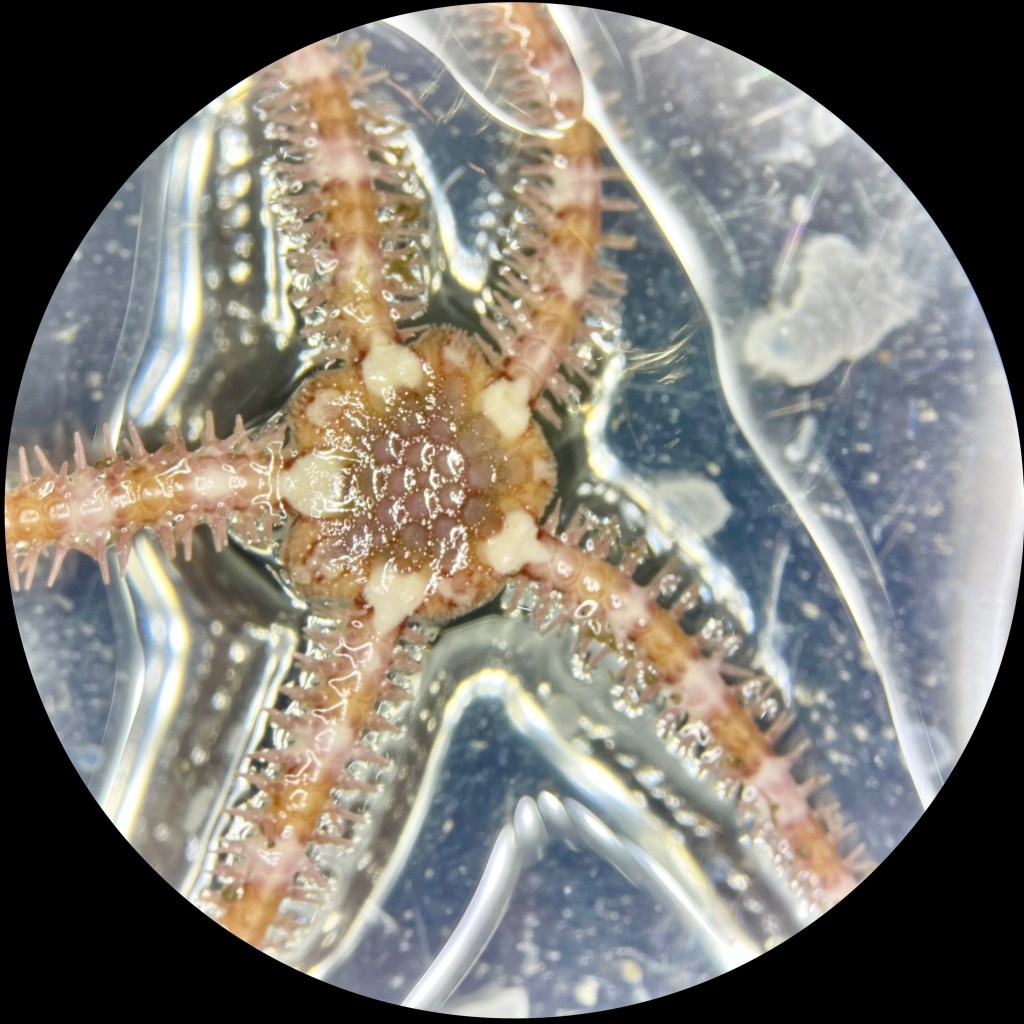
Consequently, there were four workdays at four stations, and the students were divided into four groups, rotating daily. Each day aboard the Helmer Hanssen from the University of Tromsø, we travelled further north and visited special locations to see if the composition of organisms changed. Since a detailed description and analysis of the organisms from the various stations would absolutely exceed the scope of a blog post, I’ll start by telling you more about life on the ship.
So, that Wednesday, after we loaded all our gear onto the ship, we quickly set off and headed to our first station, which was located in Isfjorden, practically right at our doorstep. On the first day, my group and I focused on the benthic community. Benthos are generally the type of organisms where we would have expected the greatest abundance and diversity. However, this year, that wasn’t the case for our station in Isfjorden or the other stations. There are several reasons for this, which we will discuss more thoroughly in the coming weeks at the university. It was probably for the best for our group.
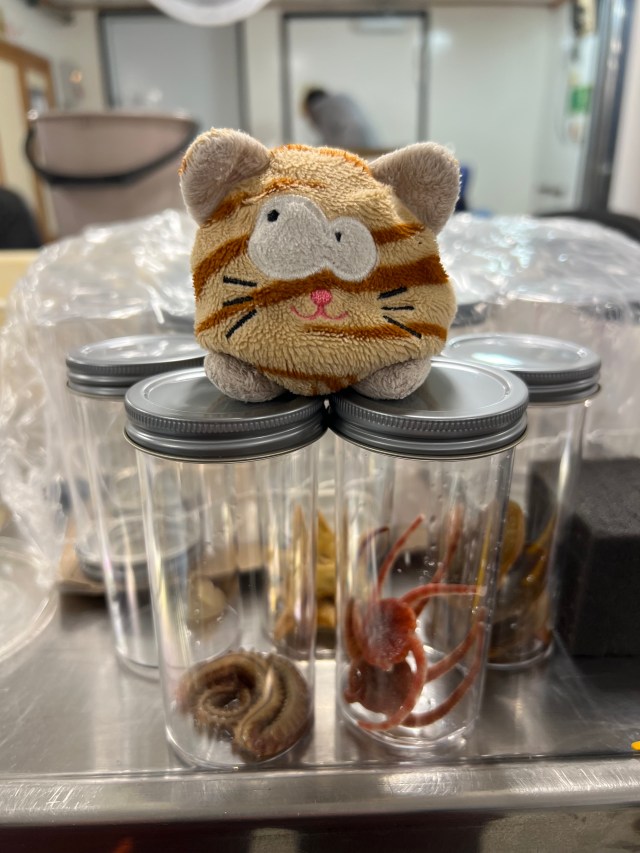
The first day was overall the most exhausting. Everyone was adjusting from the odd sleep rhythms of the student dormitory; some struggled with insomnia and were accordingly tired. Another challenge, especially on the first day, was seasickness. It’s quite a unique situation to be on a ship in the Arctic Ocean, spending hours looking through microscopes to distinguish and identify tiny organisms. So, it was probably a good thing that we didn’t also have to deal with the largest mass of organisms on that first day. In general, I must say that the benthos species turned out to be more interesting than I had initially thought. I still vividly remember my parasitology courses during my veterinary studies, which involved a similar abundance of worms… and it wasn’t always fun.
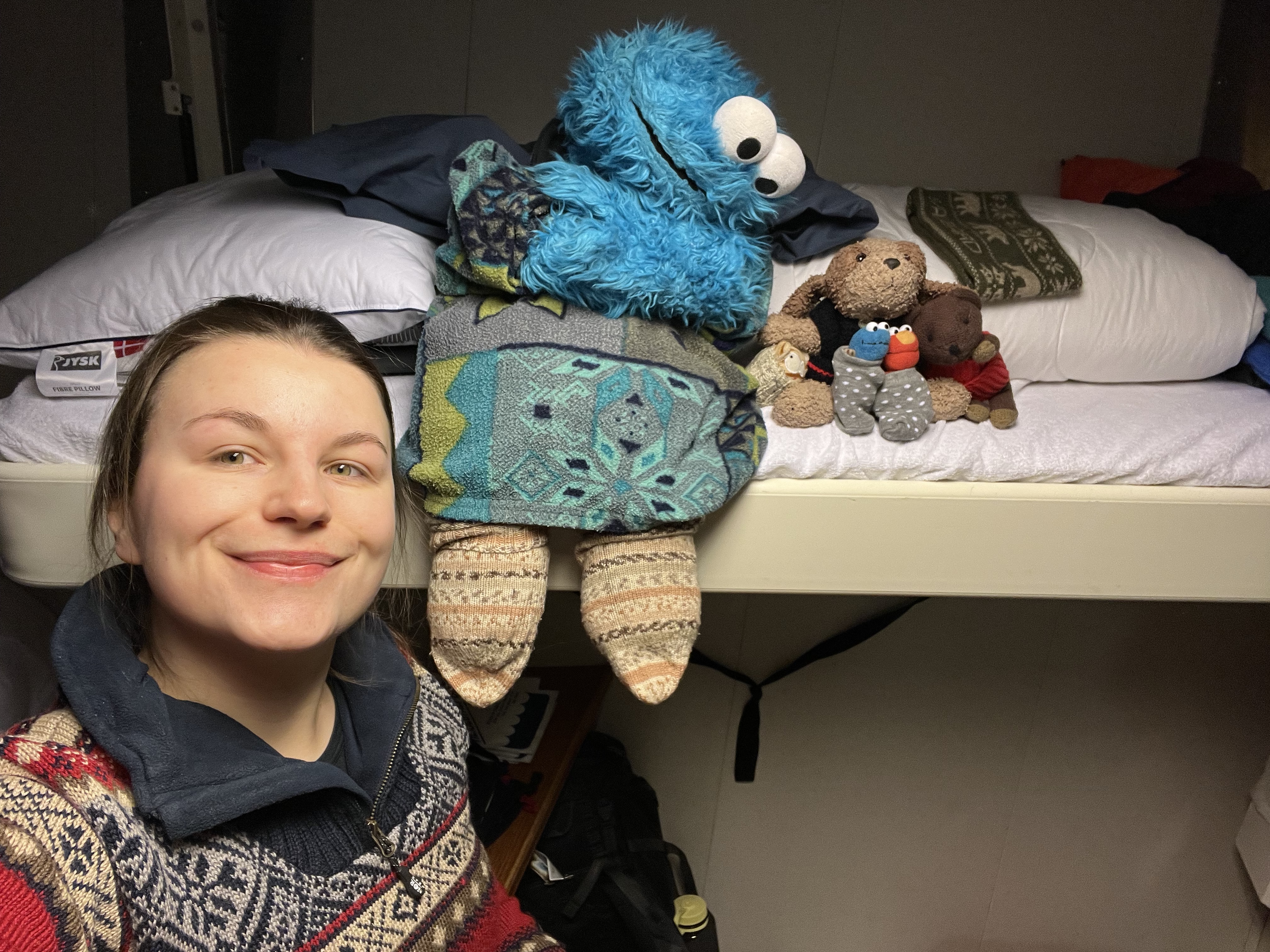
But we weren’t locked away the whole time below deck in our labs and microscopy rooms on the Helmer Hanssen. Quite the contrary. In addition to three excellent, extensive, and incredibly varied meals a day, cake was served twice a day. A luxury you’d typically expect only in all-inclusive resorts. Unlike the spacious rooms in such hotels, though, the cabins on the ship were cozily small and packed with students. Three students were accommodated per room: two in a bunk bed and one more in what was called an ’emergency bed,’ where I slept and thoroughly enjoyed. I made it more than comfortable with my father’s sleeping bag and my own personal crew.
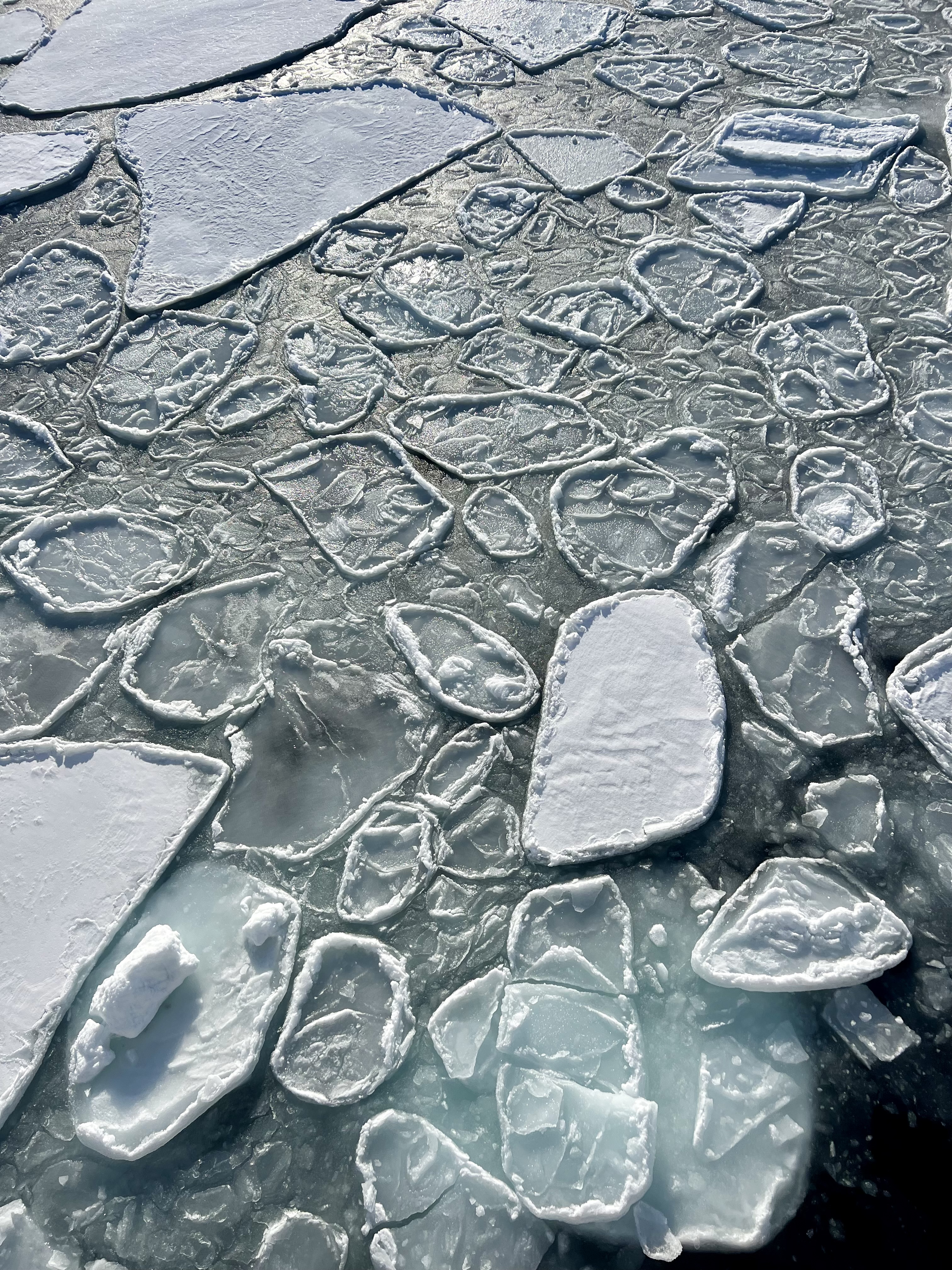
However, there was no more sleep on the ship than in the dormitory. On the one hand, we had a lot of identification work to do. On the other hand, the breathtaking views from the ship simply made it impossible to go to bed early. On the first evening, although most of us were so exhausted that we managed to keep to reasonable bedtimes, the further north we travelled, the more spectacular the scenery became and, accordingly, the shorter our nights.
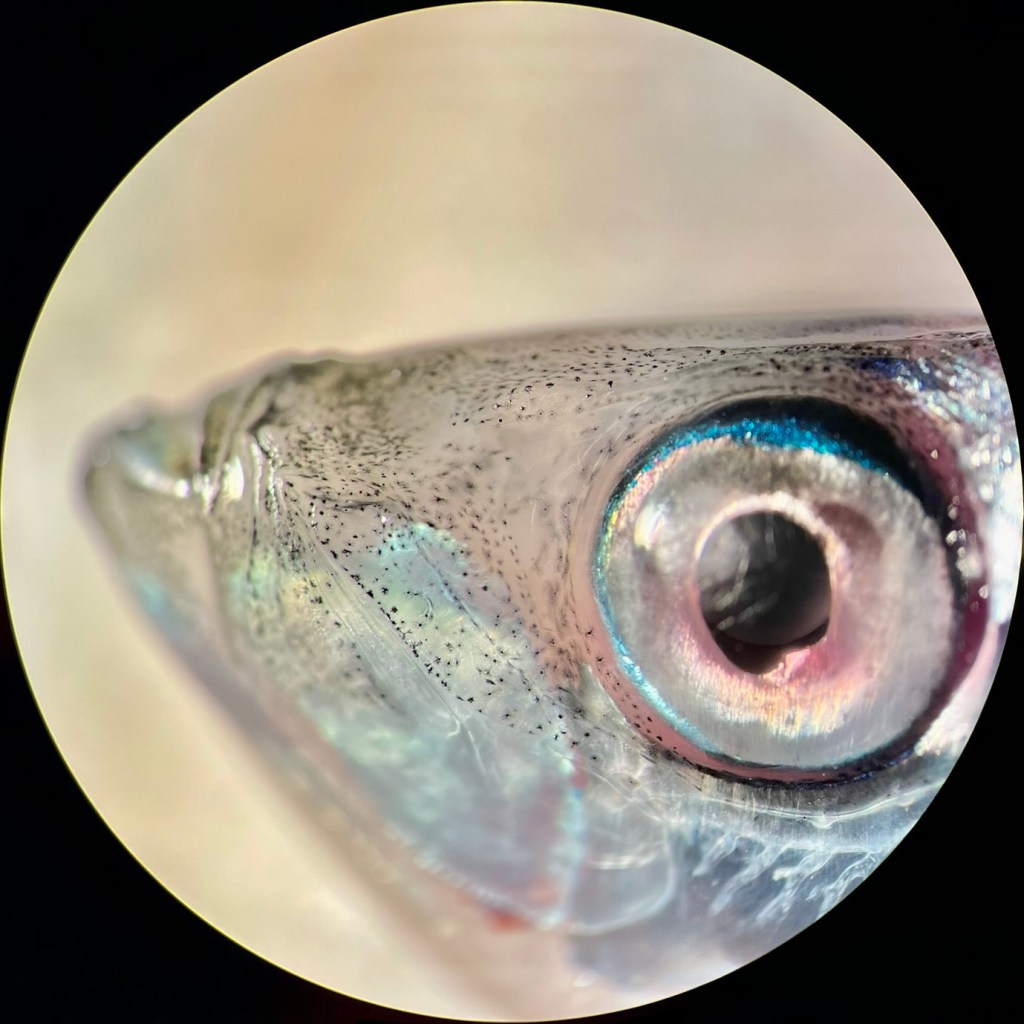
Feeling somewhat refreshed, the second day began with a particularly special situation for me personally. It was my 29th birthday. Usually, I’m indifferent to my own birthdays—they’re just days like any other, sometimes good, sometimes less so. But spending my birthday on the Arctic Ocean was incredibly special and unforgettable. Additionally, that day, we covered the topic of fish. I was initially a bit sceptical about this theme. I couldn’t quite imagine how it would unfold. But just like with the benthos, I was pleasantly surprised. Examining the diversity and details of each species more closely and discussing them with Fredrick, our great teacher, was fantastic and a lot of fun.
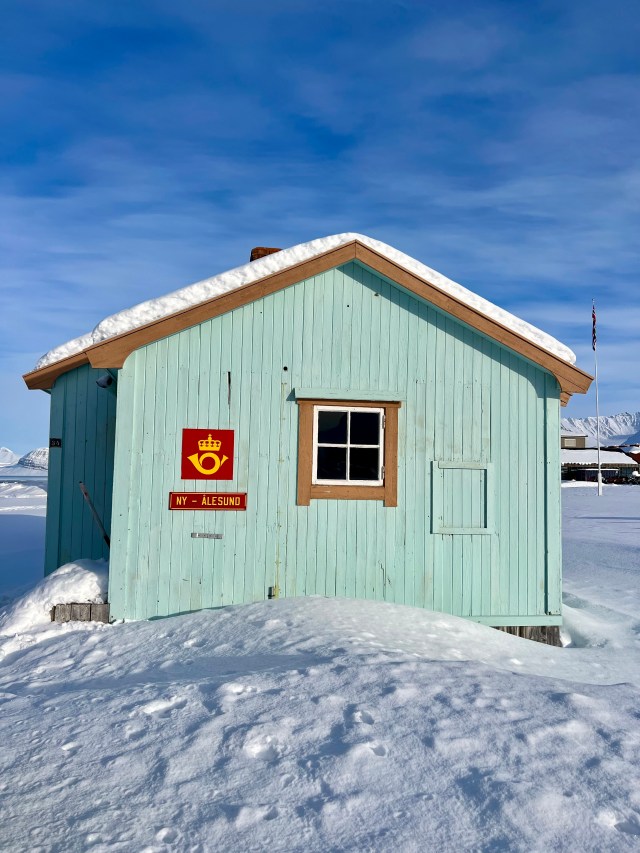
We spent this day in Kongsfjorden, a fjord that has been an essential location for Arctic research for decades. Situated there is the research community of Ny-Ålesund. Being the northernmost settlement, it was of interest to all excursion participants that we hurry with our samplings and identifications to take a few steps on land. Ny-Ålesund itself, like so many topics, definitely deserves its own blog post. For now, I can tell you that it’s a significant international research site where scientists from various countries work on a wide range of studies in environmental, climate, atmospheric, and polar research. And since it’s such a special place, there was naturally a tiny shop with snacks AND souvenirs. I couldn’t resist and had to pick up a little something as a birthday memento. There’s also the world’s northernmost ‘Post Office’. You can drop off postcards and letters, which are then stamped with the Arctic postmark from 79° North. All in all, I can only say that it was one of the most memorable birthdays of my life.
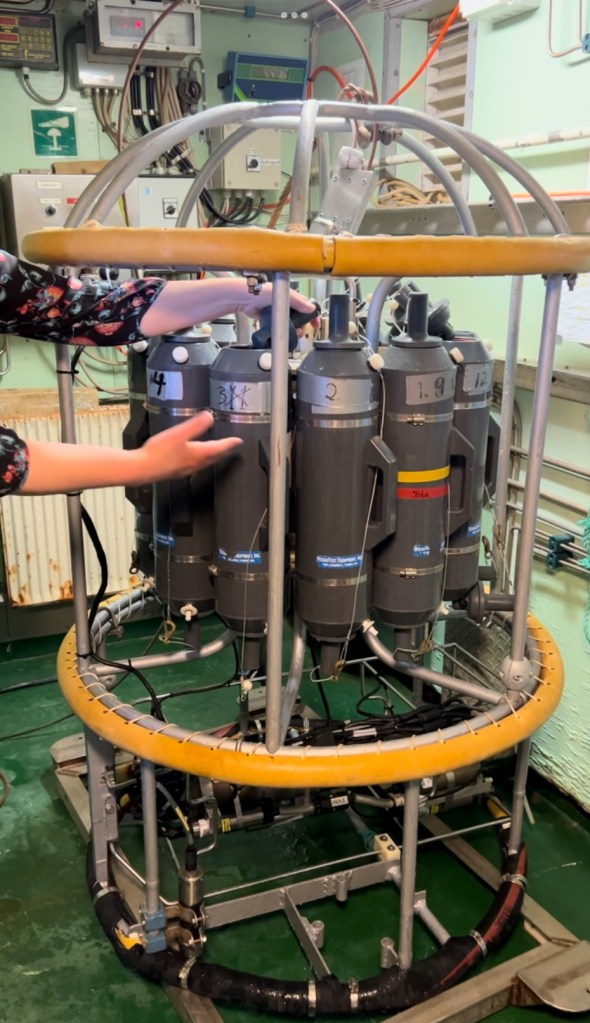
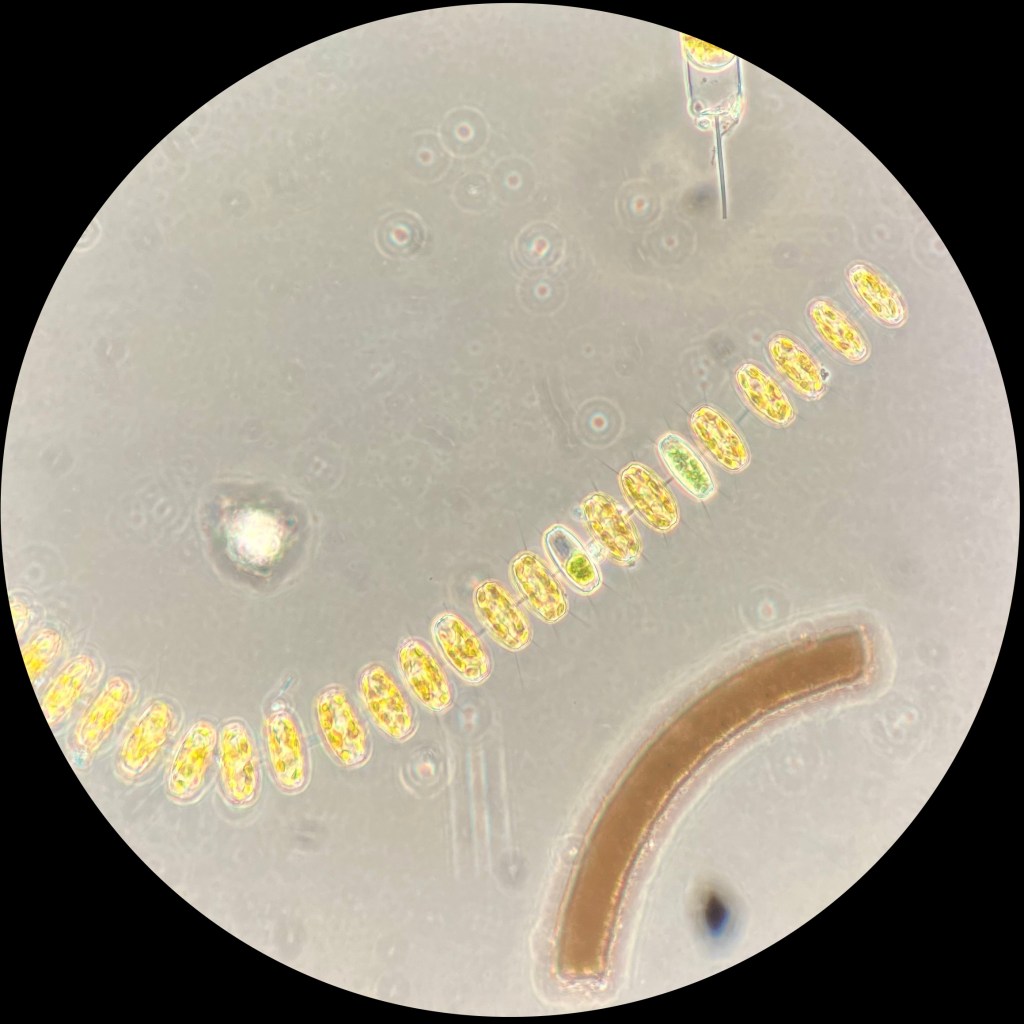
But the excitement didn’t wane in the following days either. On Day 3, we moved further from shore to a suspected seep site. A seep is an area on the ocean floor where gases and fluids like methane or carbon dioxide emerge from the earth’s interior. These seep sites host unique ecosystems where organisms gain energy through chemosynthesis, a vital energy source in the ocean’s dark depths. We wanted to see if the diversity of organisms was different here. Indeed, the group studying benthos that day found an unusually high number of brittle stars. We still need to determine whether this was due to the seep, the depth of the water, or other factors. Our group analysed phytoplankton that day, a topic I was incredibly excited about. And I was not disappointed. My passion for organisms seems to actually increase with their small size. Seriously, the incredible diversity these single-celled organisms display is simply fascinating. I would have loved to dive deeper 😉 into this subject, but of course, time was limited. It’s something I might really consider for a master’s degree in the future.
Day 3 ended again with a special event. After the last samplings at the seep site, we moved further north and soon encountered ice. This situation is not only visually stunning but also immensely exciting for the ears. The Helmer Hanssen can break through a certain thickness of ice floes without problems, but we were not permitted to break through closed ice sheets. Therefore, we chose the marginal ice zone edge as our northernmost location and crossed the 80° latitude that night. The sun no longer set at this point and hovered close to the horizon, making the thousands of ice floes and icebergs around us glow golden. Breathtaking! And these moments were crowned by the countless seabirds swirling around the Helmer Hanssen. In the fresh, cold, windy air with the ‘kriiie kriiie’ of the Northern Fulmars in my ears, these moments on the bridge were the absolute highlight of the entire cruise.

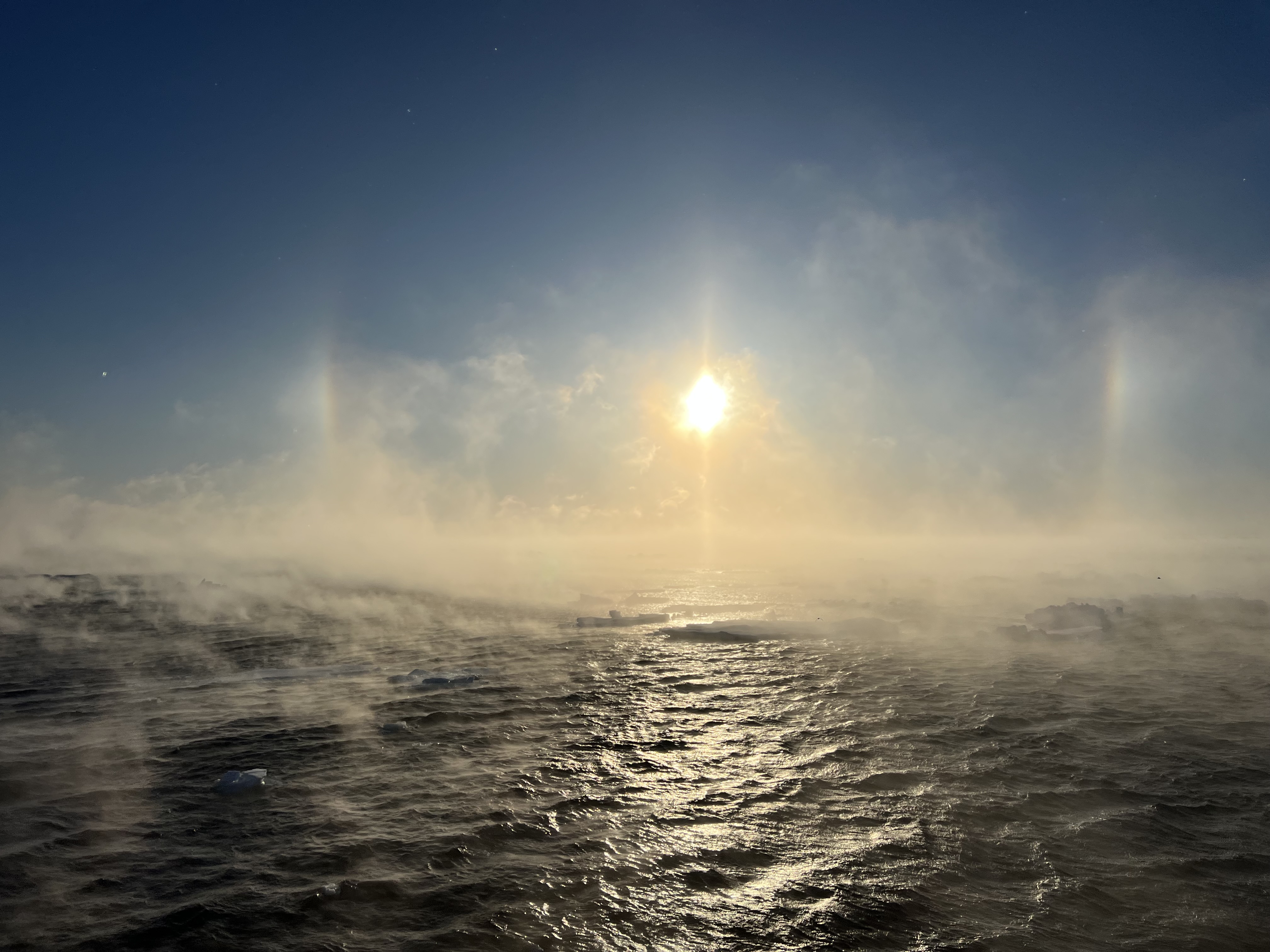
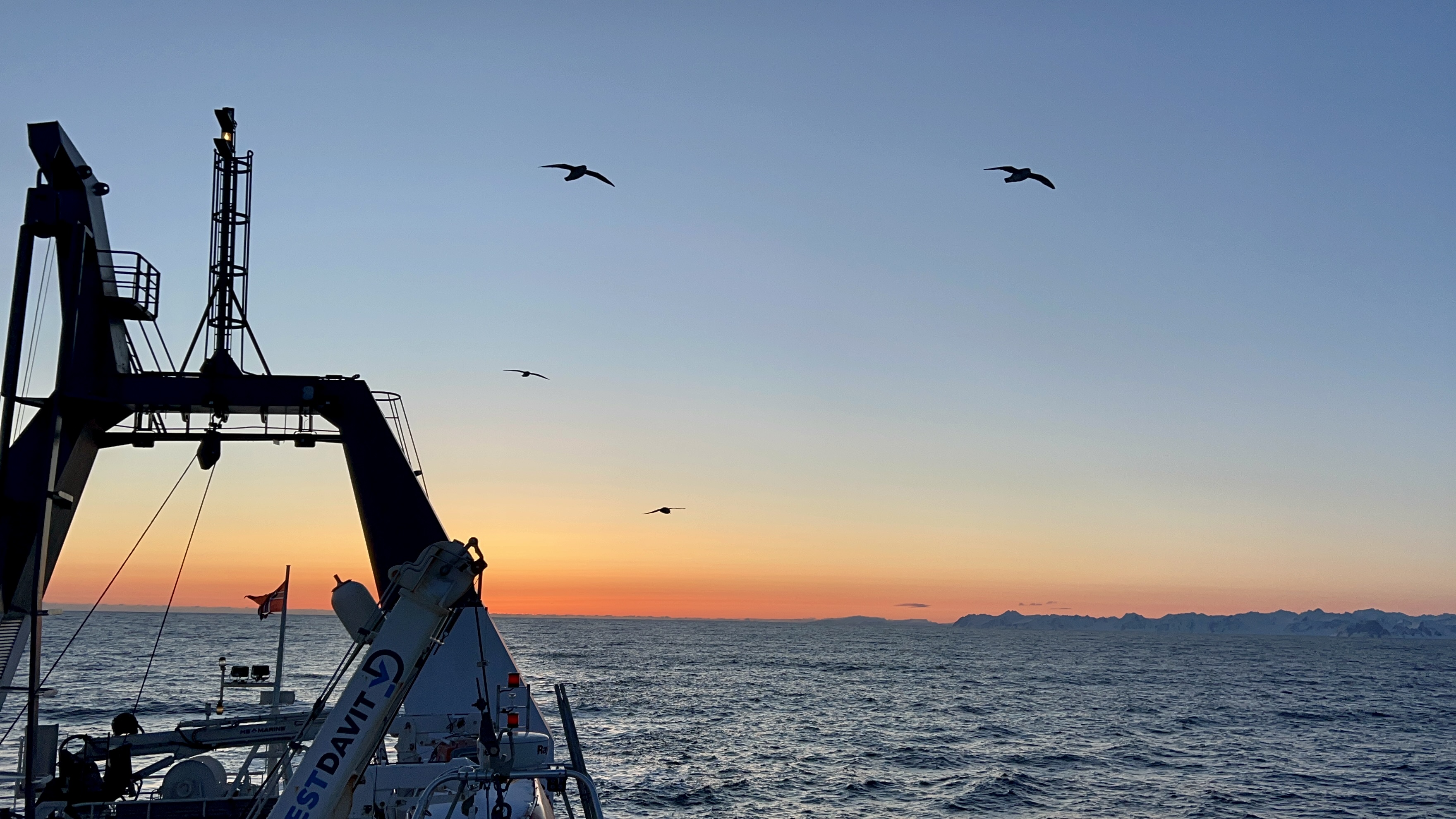
Upon reaching the MIZ (Marginal Ice Zone), we began the last official sampling day, which my group spent collecting zooplankton. I was already sure I would enjoy this since I’ve been interested in this topic for quite some time. It was the first day that conditions on deck were rougher, but this, fortunately, didn’t stop us from sampling through huge nets; it was just even more impressive. However, I realise that although I had firmly decided not to do so, I am slowly but surely going beyond the scope of a single post.
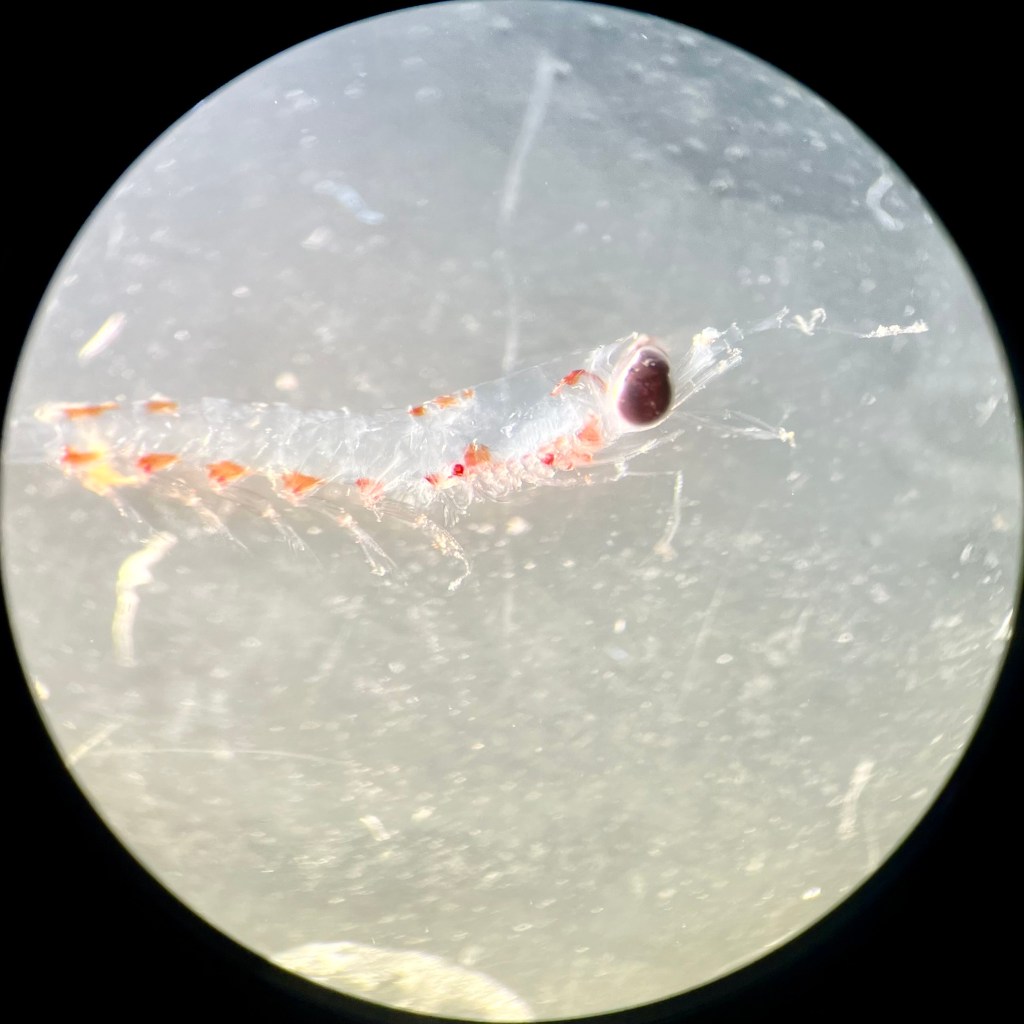
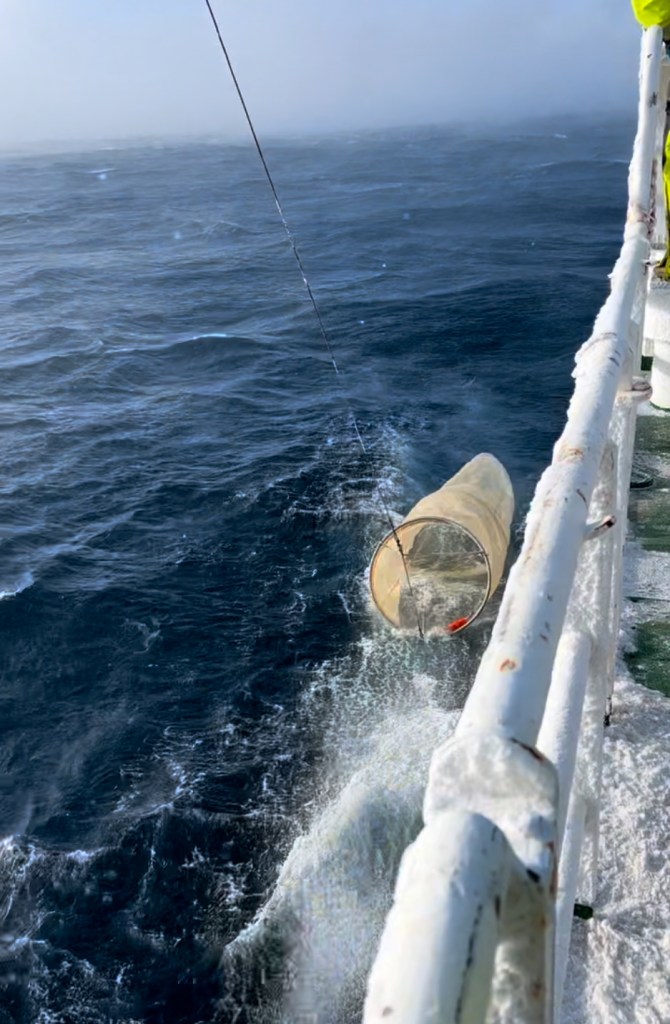
I could tell you much more about the walruses we spotted, various mistakes during the analysis process, and tasks beyond the science. But I’ve shared enough for today and will save the details for another time. As I write this, I’m actually about to leave again. This time, I’m heading to Tromsø. For the first time in almost four months, I will leave the Arctic for three days. At the Institute of Geosciences, I will work with Matthias Forwick, whom I’ve mentioned before, to process and sample the selected sediment core for my bachelor’s thesis. I am very excited and a bit nervous… for the first time in a long while, more civilisation, more people, and different impressions, and for the first time, I will work on a sediment core. But I’m sure it will be a wonderful experience, and I will learn a lot again. Stay tuned for what I have to share from this trip, and I look forward to this geoscientific topic on Bio On The Rocks.
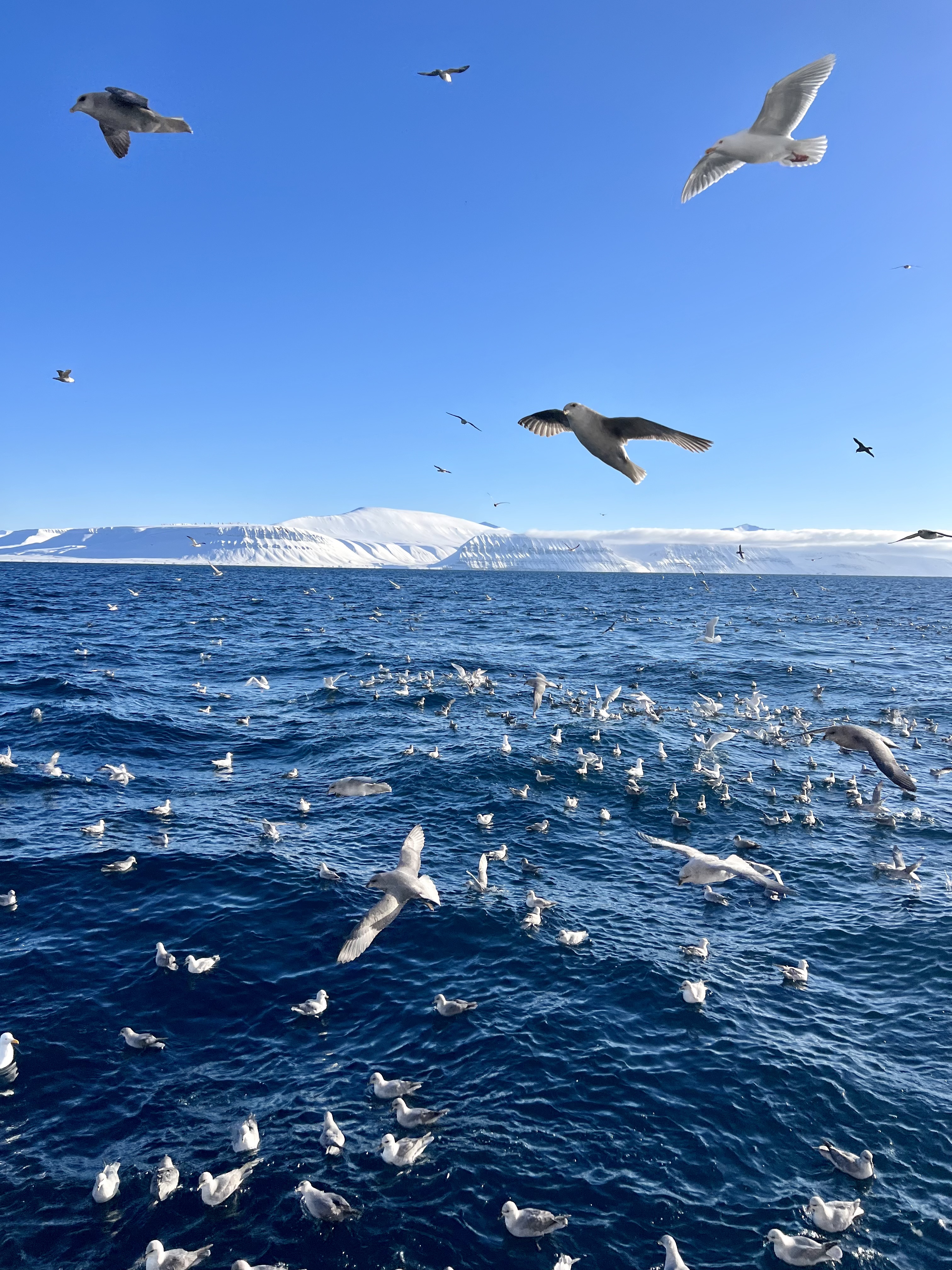
- Northern Fulmars + Glaucous Gulls chasing the Helmer Hanssen in Isfjorden
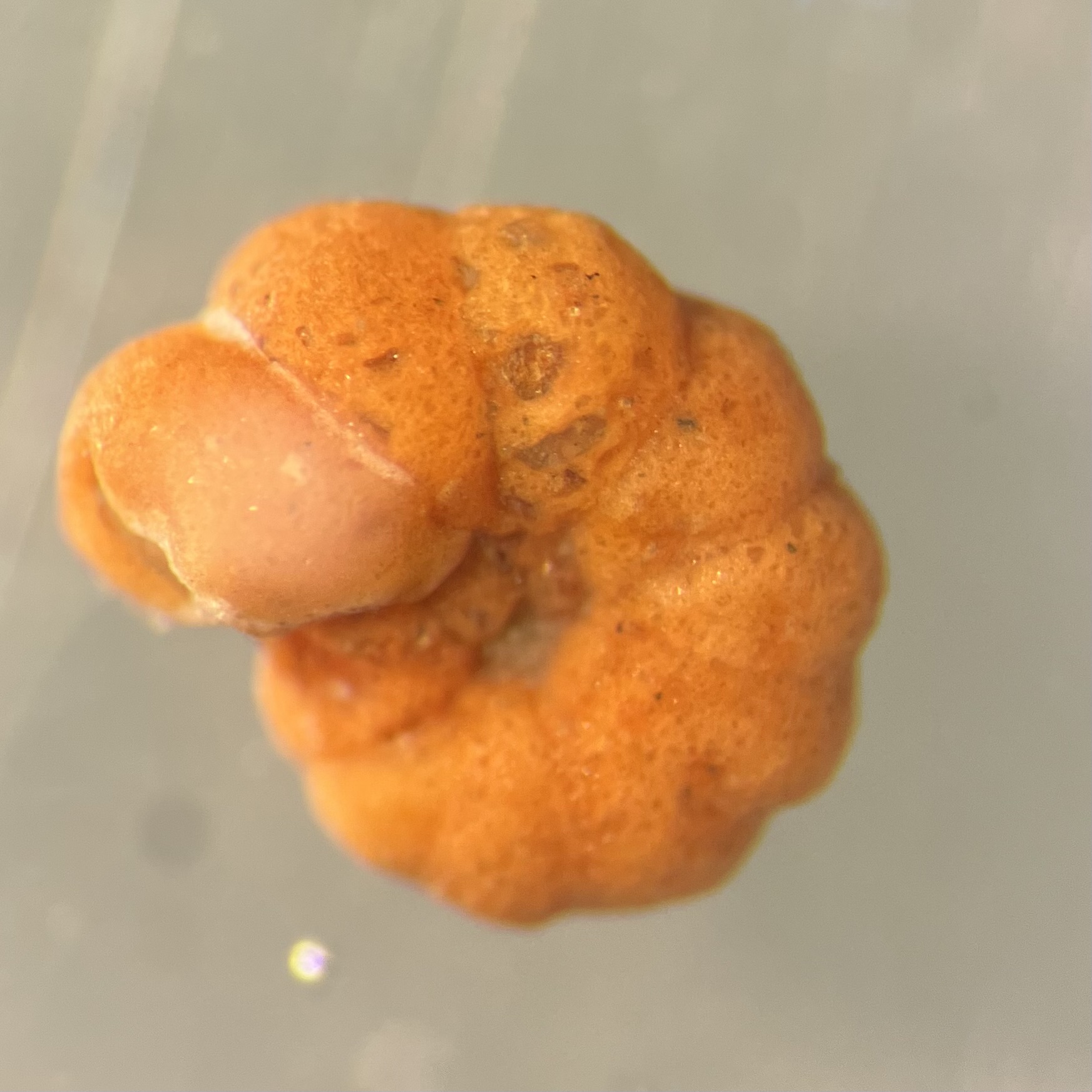
- Micropalaeontologist’s dream: foraminifera in the benthos sample
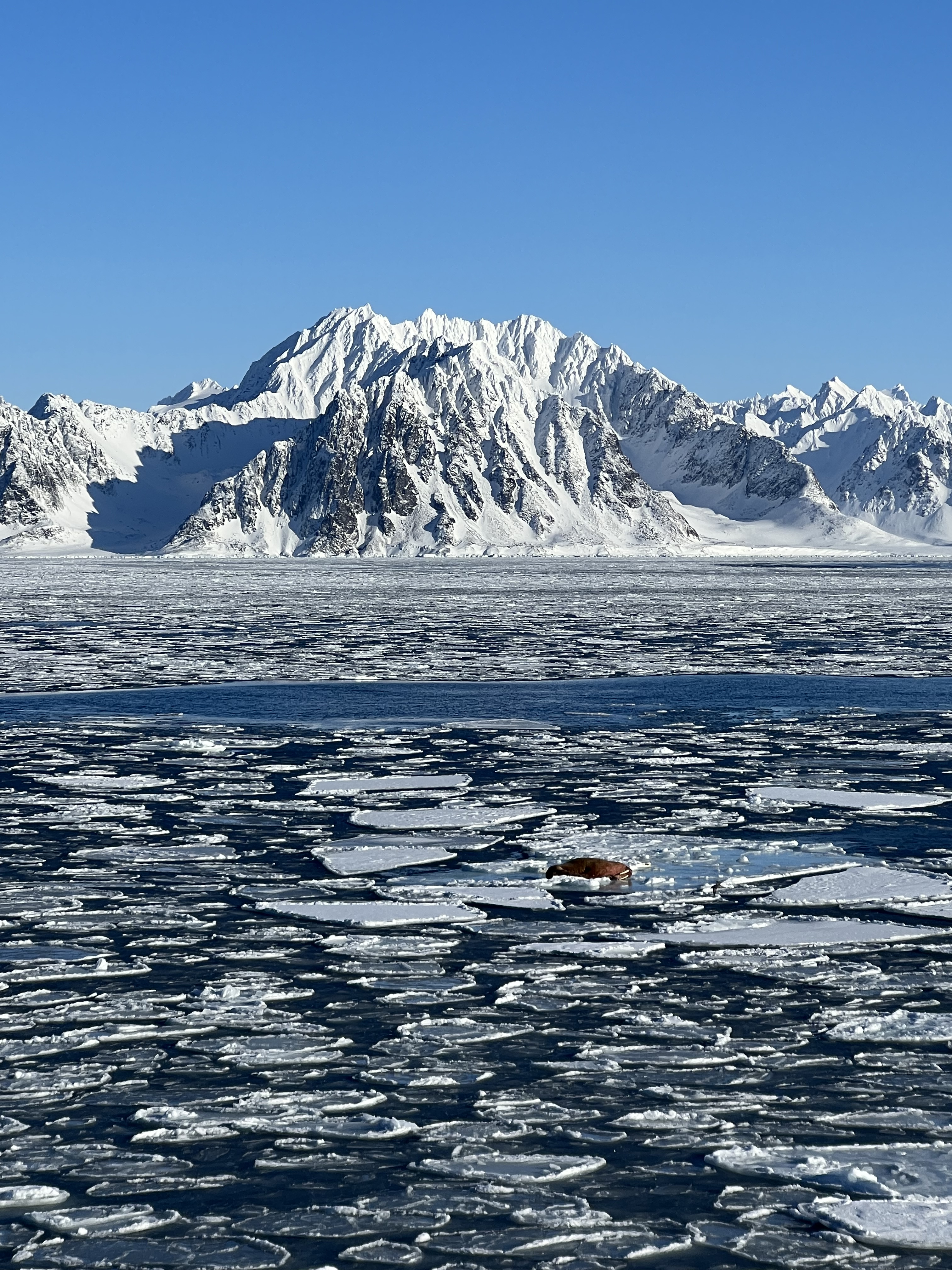
- “Spitsbergen” in Northwest of Svalbard, photobombed by a walrus
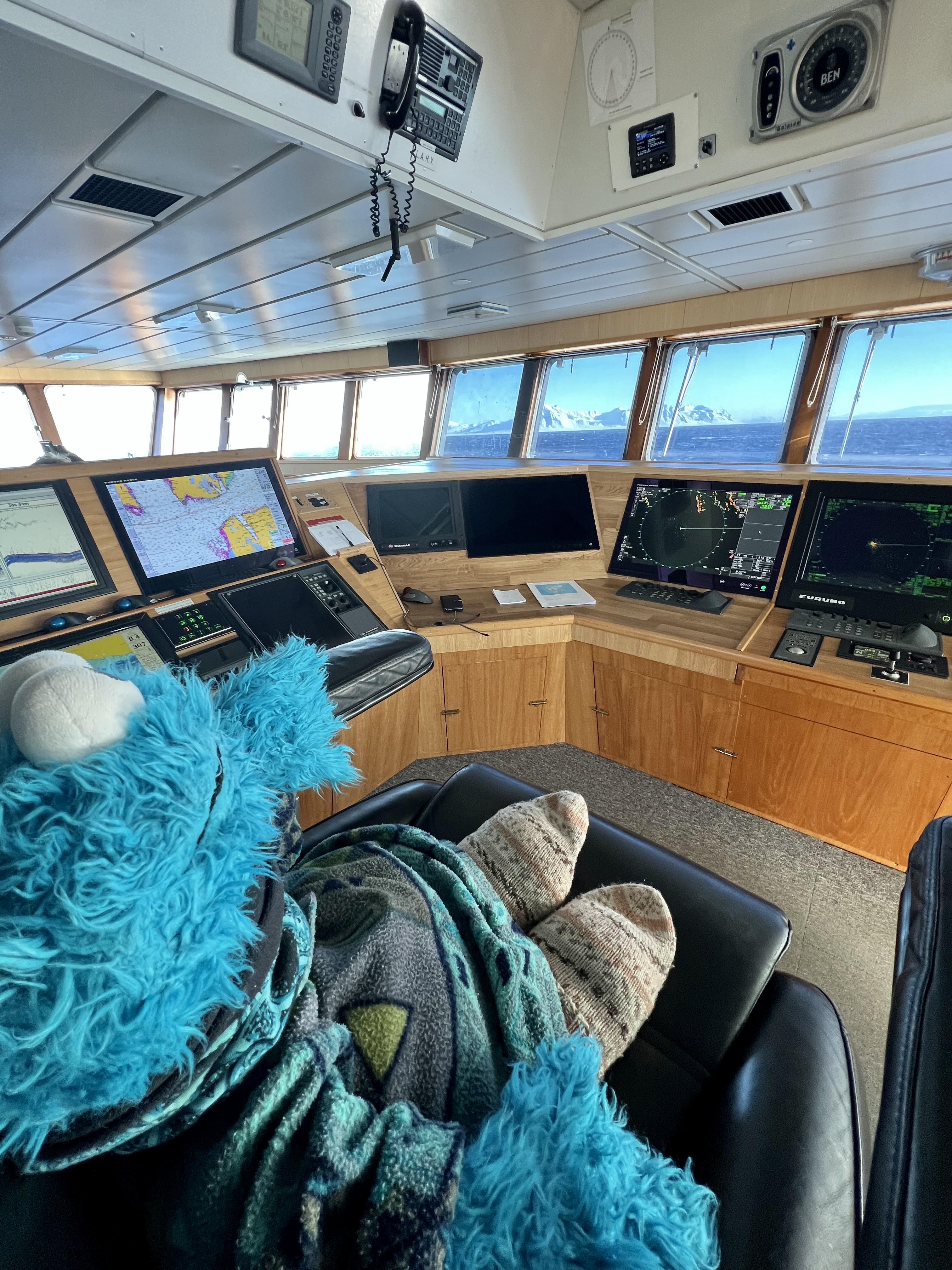
- Captain Cookie in action
 Bio On The Rocks