
Hello everyone, and welcome back to Bio On The Rocks!
After writing about the tiny organisms living in, on, under, and next to sea ice last week, and with this covering a topic that fits perfectly with Bio On The Rocks, I thought it was time to talk a little about what BOTRi, as I sometimes call it, means to me and where this journey is headed in the future.
In fact, my brother encouraged me to start a blog and write about topics dear to my heart almost four years ago. Everything was planned and organised – the name, the website layout, and some initial texts. But it didn’t feel right. Even after completing my degree in veterinary medicine, I still felt far from working in my preferred environment and conducting research in the cold regions of the Earth. I simply didn’t have the knowledge to convey the things that were important to me in the form that I had imagined. So, nothing came of it back then.
But now, for just over a month, I’ve been in Svalbard. A place I’ve wanted to go for many years. To see the Arctic beyond social media, challenge myself, and study at UNIS to learn things that would be difficult to teach myself.
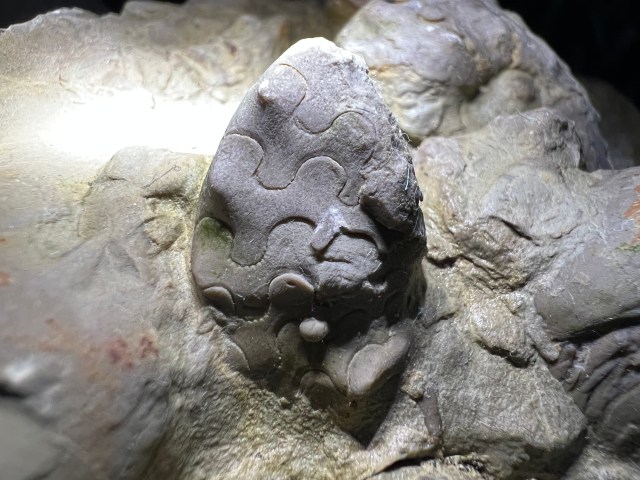
Education is very important to me. I believe everyone should have access to education and the topics that interest them the most. However, I never had a special affinity for languages. In school, natural sciences were always my favourites. German and English were never easy for me, and I never found joy in them. So, when it was announced in the BioGeo course that we would have to write detailed reports for all the numerous excursions, I was pretty sceptical. But to my surprise, it wasn’t that difficult for me – quite the opposite. It brought me joy to package my acquired knowledge in a way that others could understand and perhaps even enjoy reading my texts. Creating my own graphics and editing my pictures to complement the texts also greatly pleased me. This joy increased in the following semesters and was also shown through presentations and tutorials.
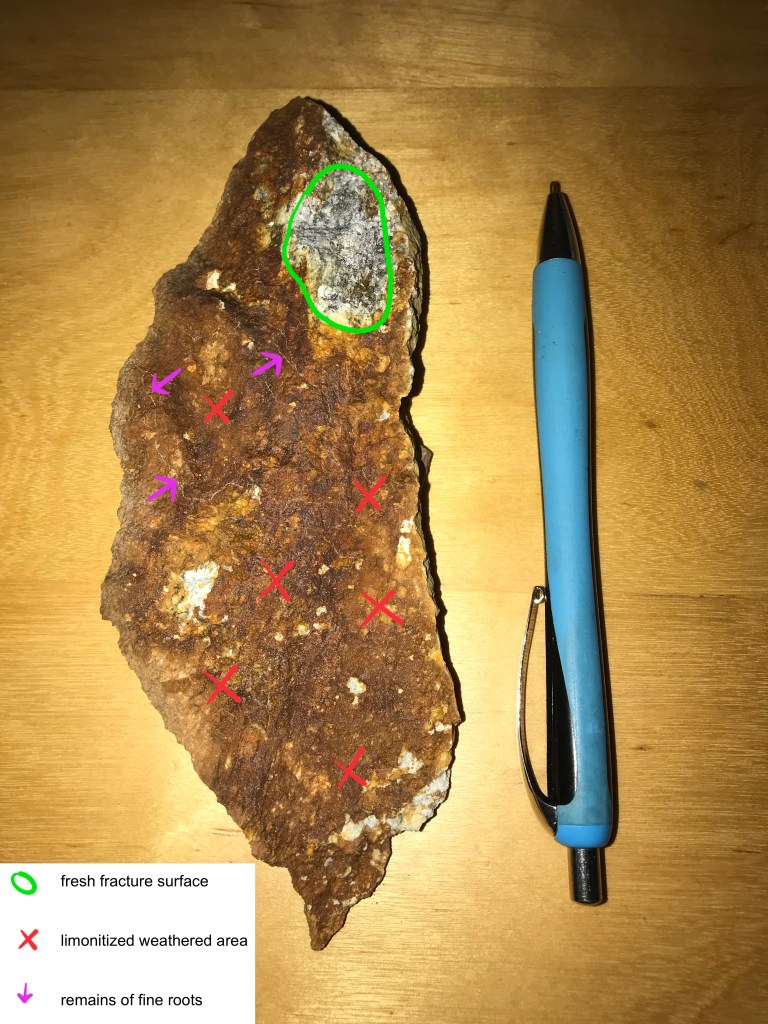
Until then, I wasn’t aware that I particularly enjoyed “science communication”. It simply brought me joy to trigger an “aha”-effect in others. And, as I became more confident over the following months, I now felt ready to launch my own website and write about the topics that I think are worth sharing and that interest me – with the great bonus of keeping my own logbook in this way.
Even though I knew I didn’t want to write and report on a particular topic but much more about what I will learn in the coming years in science, I wanted to give the blog a thematic area. It was clear to me that the title of the whole thing must have something to do with my two main focuses: biological sciences and geological sciences. Even though I already have more expertise in biology through my previous studies, geology became extremely important to me. It grew dear to my heart through my childhood in the mountains and primarily through the last two years in Jena.
I can’t exactly remember how I came up with the name “Bio On The Rocks,” but it just clicked right away. That’s exactly what I was looking for! And then everything happened very quickly. I told my brother about the project, and he helped me wherever he could to implement my plans. Thank you, Jason, at this point!

With “Bio,” of course, I initially associate what you would expect – biology. The organisms world, nature, which has always been so important to me and is responsible for some major decisions in my life.
However, I also associate the term “biography” with it. If you look for a detailed definition of biography, you’ll find something like this:
Within psychology, biography describes how people give their lives continuity, coherence, and meaning in reflexive processes. Thus, self-experienced events can be narrated in everyday contexts, which condense into a comprehensive biographical construction over the life span.
So, “Bio” is also a perfect abbreviation for what I intend to do with this website. Namely, to document my big and small special experiences and “aha”-moments! Possibly also to document successes and setbacks in my science. And also to capture the framework conditions that enable and shape my path. (Spoiler: My part-time life in my beloved micro-camper Twingo “Oggi” during my studies in Jena)
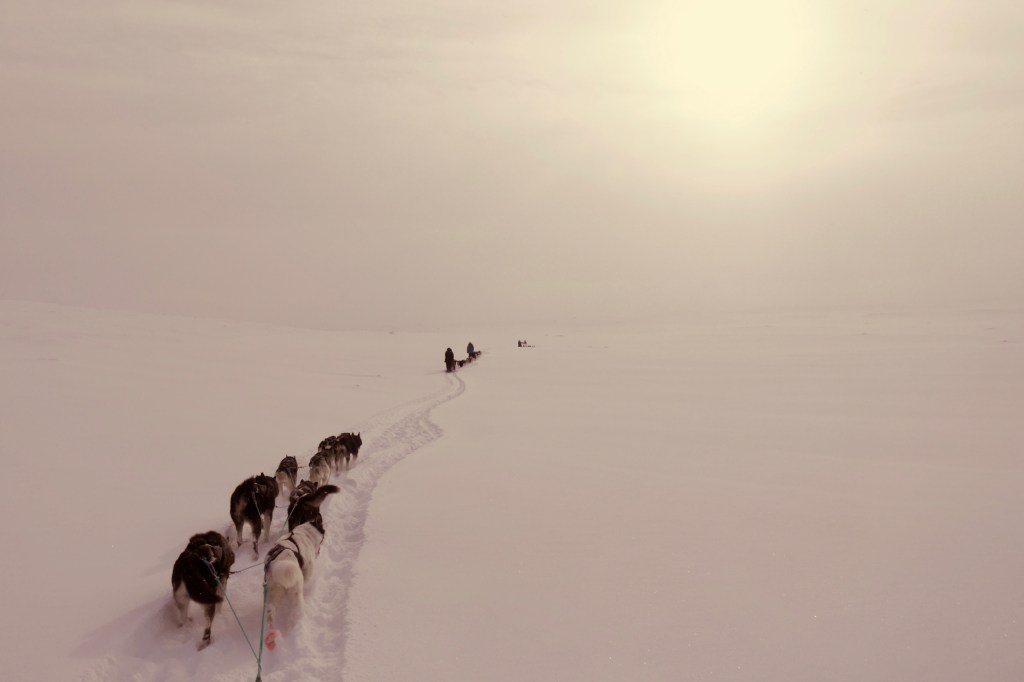
“On The Rocks” implies that the “Bio” part is set on ice! And that’s exactly the case. I intentionally started this blog and this idea of “Bio On The Rocks” here in Svalbard – on ice. I explicitly started writing the texts here because, among other things, that’s precisely what it should be about: Organisms adapted to the cold and ice and my own story with the experiences I have in the science of polar research.
However, “On the Rocks” means much more than that. Literally, it also means biology on rock formations. It’s difficult for me not to go too far and into too much detail about the Earth’s history and the origin of life. But a crucial aspect of why there can even be life on this planet, and, above all, such a high diversity of organisms is that we have an Earth’s crust made of solidified magma. If we had a planet consisting only of a surface of liquid magma flows, life as we know it would be unthinkable. Only after the Earth’s magma streams solidified and hardened, formed into various rock formations, and dynamics came into play through plate tectonics was the emergence of life possible. (But more on that soon).
So, bio has always been “On The Rocks”, and without geology, life would not be possible. They simply belong together. I am thrilled that I have found a course in Jena on this so crucial interdisciplinary field and that I can explore this connection in more detail.
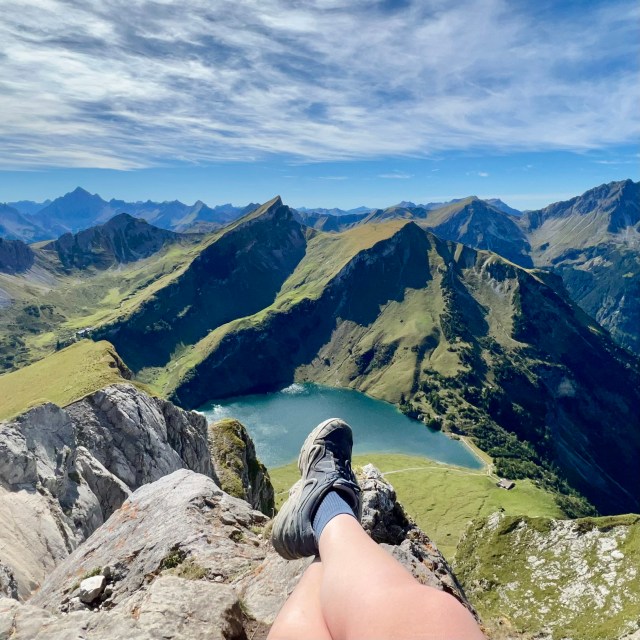
In the coming months, I will, of course, continue to report on the topics I am learning here in Svalbard. About organisms in the ice and environmentally relevant topics. But I would also like to continue that when I return to Jena at the end of June. Then, my research project will soon begin, in which I will conduct micropaleontological studies on sediment cores from the Spitsbergen area. So, it’s an absolute Bio On The Rocks theme. What exactly will I do? Stay tuned.
 Bio On The Rocks